Updated: July 27, 2025
With food prices climbing and inflation stretching many of our budgets, keeping a frugal kitchen has never been more important. I was raised in a home where thrift was second nature—and those early lessons stuck. Over the years, I’ve leaned into cooking from scratch, growing and preserving our own food, and finding simple, steady ways to stretch every dollar.
Here are some of my best tips and techniques to help you keep your kitchen a frugal one!
- Plan Your Meals
- Plan Your Grocery Trips
- Cook from Scratch
- Food Prep Shortcuts
- Organize Your Kitchen
- Reduce, Reuse, Recycle
- Explore, Experience, Enjoy!
Start by Planning Your Meals
Being frugal in the kitchen starts before you ever turn on the stove—it begins with a thoughtful meal plan. By taking a little time to plan ahead, you can save both money and mental energy throughout the week.
Create a Weekly Meal Plan
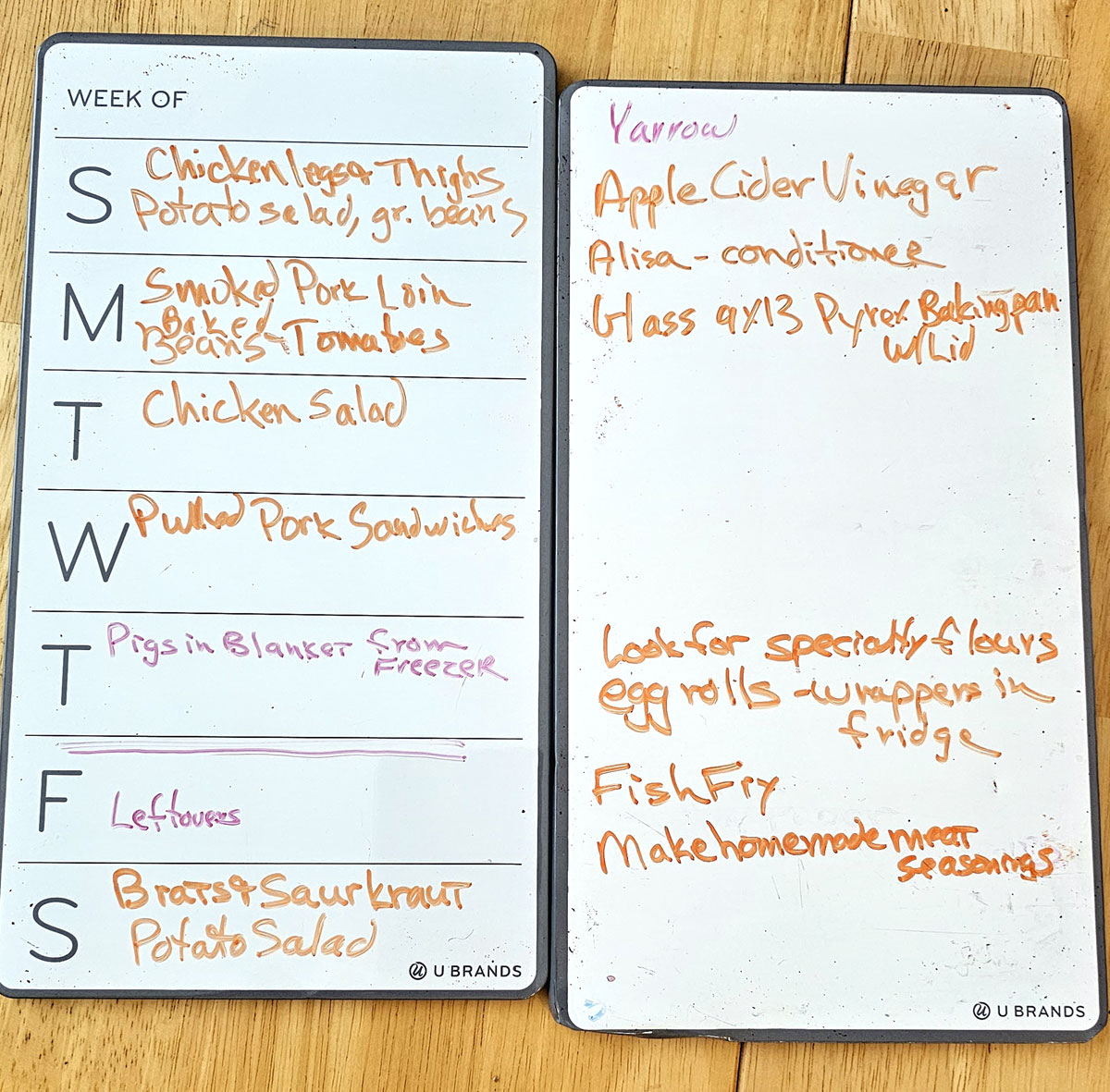
Choose a consistent time each week to plan your meals. We do our planning every Thursday evening, sitting at the kitchen table with our calendar and grocery list. It only takes 15 or 20 minutes, but it makes such a difference. It saves us from the daily “What’s for supper?” guessing game and keeps us from overspending at the store.
Keep a Visible List
Once your meals are planned, keep the menu visible. I post ours on the fridge and jot down anything we run out of on a small marker board nearby. This running list helps us keep track without having to dig through cabinets come grocery day.
Brainstorm Meal Ideas with the Family
Meal planning doesn’t have to be a solo task. Involving your spouse or kids can make it more enjoyable and creative. You might be surprised by what ideas they come up with! It’s also a good way to pass along kitchen wisdom and teach the next generation about planning, budgeting, and working together.
Plan for Eating Out
Even on the most frugal homestead, life happens. If you know you’ve got a dinner out or need a takeout night, build it into the plan. It keeps your budget honest and avoids those last-minute splurges that sneak up on your grocery money.
Plan Your Snacks Too!
Don’t overlook snacks! When they’re part of the plan, you’re more likely to reach for something nourishing. We keep things like cut veggies, popcorn, fruit, and hard-boiled eggs on hand. A little preparation goes a long way when hunger strikes.
Shop Your Pantry First
Start by checking your pantry shelves, freezer, fridge, and even your home-canned goods. What needs to be used up? Is there a jar of tomato sauce you canned last summer or a bag of pasta that’s been sitting a while? Can you build a few meals around those?
This simple step helps rotate your stock, avoids expired dates and freezer burn, and stretches your grocery dollars further than you might expect.
Use a Pantry Inventory List
Keeping a pantry inventory list makes this process even easier. I track what we have using my own pantry inventory worksheets, and it’s become second nature now. It helps me avoid overbuying and reminds me of what’s tucked away in the back corners of the freezer or on that top shelf I don’t always reach.
Use What You’ve Preserved
If you’ve canned, frozen, or dehydrated your own foods, plan a few meals around those. That’s why you put them up in the first place! Each time you use a jar or package from your homegrown stash, you’re making the most of your time, energy, and garden harvests.
Plan Your Grocery Trips
Once your meals are planned and your pantry has been checked, it’s time to think through your grocery trip. A little preparation here can save you a surprising amount of money over time.
Shop Less Often
Try to shop as few times a week as possible. We’ve found that sticking to one trip a week helps us avoid impulse buys and saves on gas. It also simplifies our schedule. When you plan well, there’s less reason to pop into the store “just for one thing,” which often turns into ten.
Stick to the List
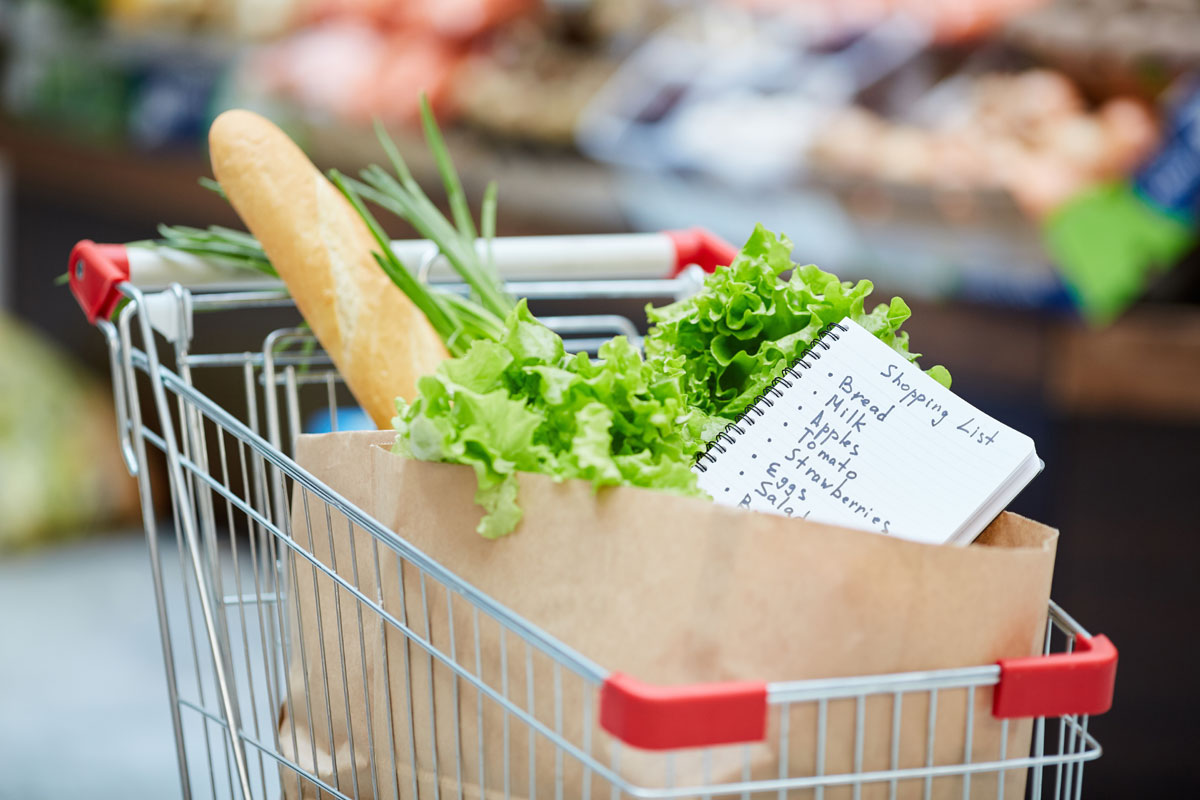
The grocery list is your best friend. Take it with you and stick to it. If it’s not on the list, it doesn’t go in the cart unless it’s a truly necessary substitution. That one habit alone has saved us hundreds over the years.
Never Shop Hungry
Oh my! What a way to rack up a grocery bill by impulse buying! Shopping while hungry makes every snack aisle more tempting and every convenience item harder to pass up. A full belly leads to a smarter cart.
Shop Seasonally for Savings and Flavor
In-season fruits and vegetables are usually at their peak in both flavor and price. Whether it’s tomatoes in summer or citrus in winter, buying what’s naturally growing now almost always gives you the best value at the store or market.
Seasonal produce also tends to be fresher and more nutrient-dense, especially if it’s locally grown. You’re not just saving money, you’re feeding your family better food.
Preserve the Extra
When you find a great deal on bulk produce, think beyond this week’s meals. Canning, freezing, fermenting, and drying are all great ways to preserve the extras and keep enjoying those savings long after the season has passed.
This is how I build up our home pantry a little at a time. Whether gathered from the garden, a local U-Pick, or the farmers’ market, a few jars here, a few bags in the freezer there, all add up fast and make meals easier (and cheaper).
Purchase Larger Cuts of Meat
When you’re buying meat, the less processed it is, the more you save. Larger cuts—like whole chickens or pork loins—usually cost less per pound than pre-cut or individually packaged portions.
For example, I like to buy whole chickens when they go on sale. We cut and freeze the parts ourselves, which gives us more flexibility and better value. A pork loin can be sliced into chops or boneless ribs, ready for several different meals. It takes a little extra effort up front, but the savings are worth it.
Shop Your Local Farmer’s Market
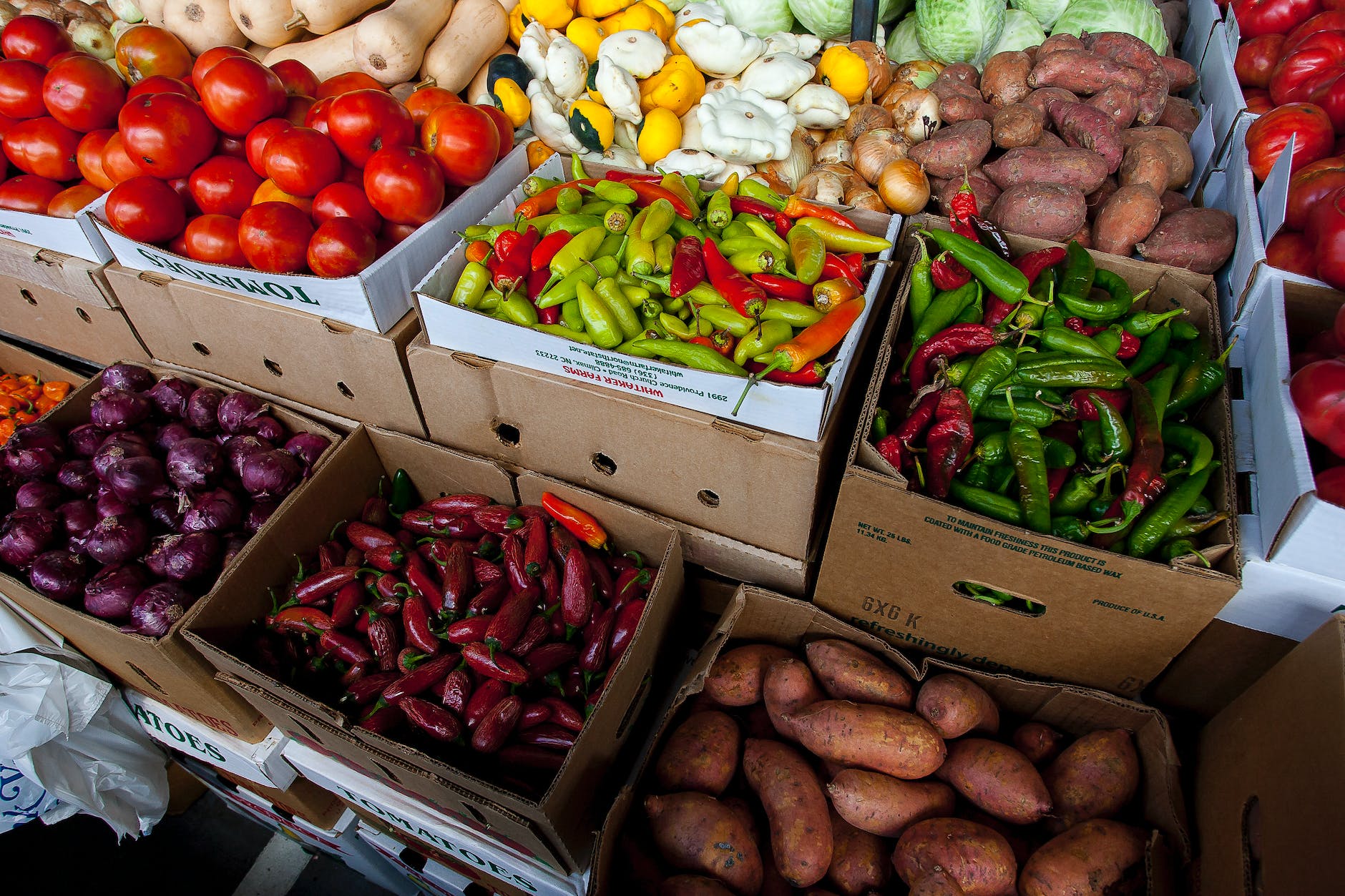
Your local farmer’s market is more than a weekend outing—it’s a treasure trove for frugal, seasonal eating.
You’ll find fresh, regionally grown fruits and vegetables, and often much more: local meats, eggs, honey, baked goods, handmade seasonings, and even starter plants. Supporting your local growers also keeps your dollars in your community, strengthens local food systems, and reduces the environmental cost of long-distance shipping. And let’s be honest—it’s a lot more fun than wandering the aisles of a big box store.
Join a CSA
If you’re looking to stretch your grocery budget while eating fresh and local, consider joining a CSA (Community Supported Agriculture). By paying upfront or in installments for a share of a farm’s seasonal harvest, you often get a better price per pound than grocery store produce—and you’re supporting local agriculture at the same time. Many CSAs offer generous portions, and the variety helps you plan meals around what’s in season (which is often the most affordable way to eat). It’s a frugal way to fill your fridge, try new foods, and build a relationship with your local food system.
Buy Store Brands
While fresh, local food is a great foundation, there are still plenty of pantry staples that make sense to buy from the store. Choosing the store brand is often the most budget-friendly option. For basics like canned goods, pasta, baking supplies, and condiments, store brands are typically just as good as name brands but at a fraction of the cost. Over the years, I’ve tried plenty of generic options and found very little difference in quality or taste for most everyday items. It’s a simple switch that adds up over time.
Cook From Scratch
Cooking from scratch is one of the most powerful ways to keep your kitchen frugal—without sacrificing quality or flavor. Yes, it often takes more time than opening a box or reheating something store-bought, but the savings are real, and so is the satisfaction. There’s something deeply rewarding about preparing a meal with simple ingredients, especially when you know exactly what’s going into it. Homemade food not only stretches your grocery budget, but it also fills your home with comfort, tradition, and care.
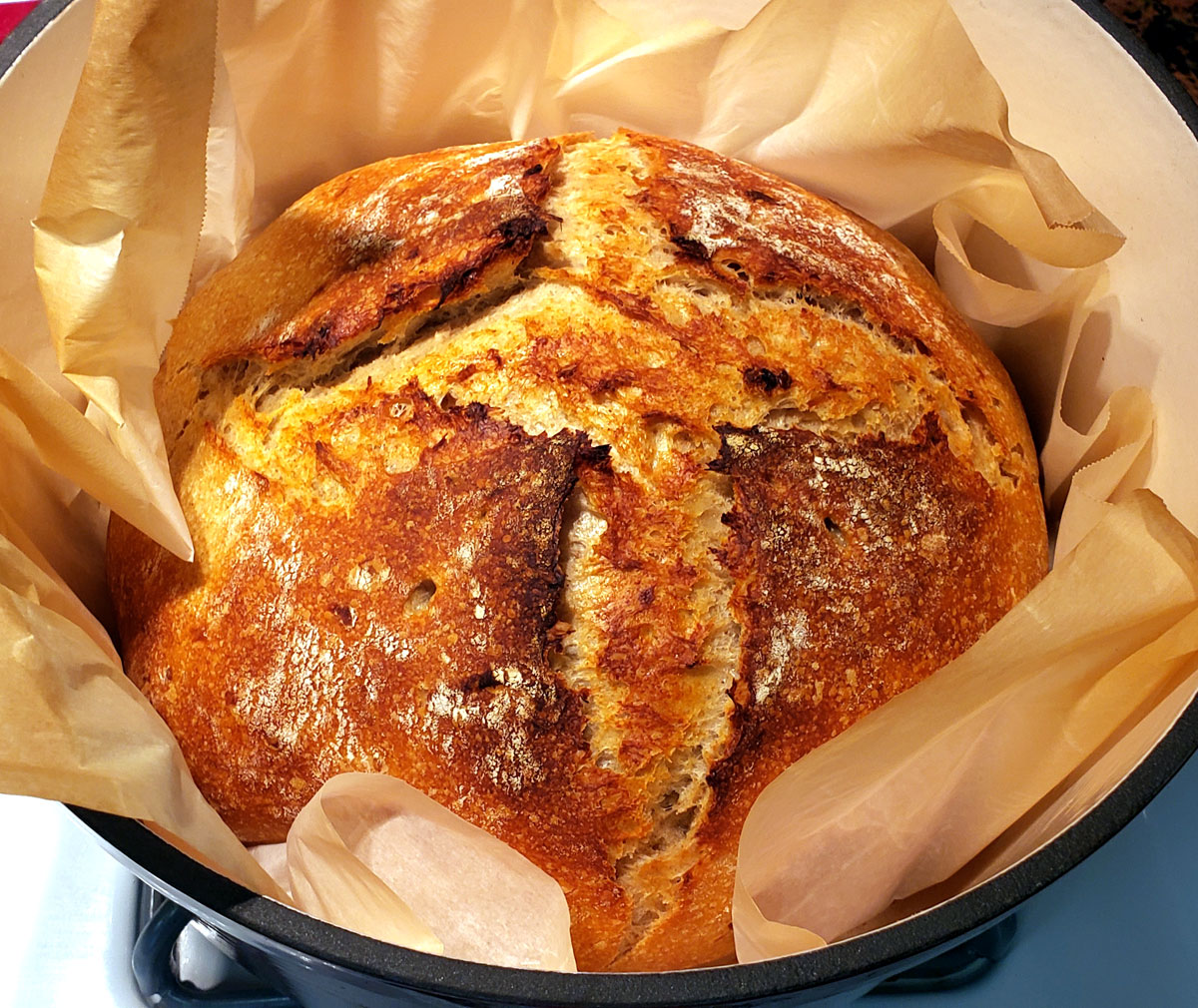
Bake Your Own Bread
Few things smell as comforting as fresh bread baking in the oven. And it’s not just about the aroma; it’s one of the easiest ways to save money. A homemade loaf costs pennies compared to store-bought bread, and you control every ingredient. No preservatives or unpronounceable ingredients, just real food.
Get Creative with Leftovers
A frugal kitchen sees leftovers as opportunities, not scraps. When I cook a large meal, I often plan for the extras to roll into another dish. A roasted chicken might become chicken sandwiches, tacos, or a hearty soup. We’ll eat half for dinner, then freeze the rest for a busy night later.
Think of leftovers as building blocks. A little imagination (or some online recipe searches) can turn what’s in your fridge into something entirely new.
Have Fun with Desserts
Store-bought desserts can be pricey, and often lack that homemade touch (and flavor!). With just a few pantry ingredients, you can whip up cookies, brownies, or even pumpkin cinnamon rolls for a fraction of the price and freeze extras for quick treats later.
If you’ve got an abundance of seasonal fruit, try fruit pies, crisps, quick breads, and cobblers to stretch fresh produce into something special. And yes, even those vintage Jello salads can be a budget-friendly, nostalgic treat.
Make Your Own Condiments and Seasoning Mixes
It’s amazing how easy it is to make things like seasoned salt, a pumpkin spice blend, pork rubs, or shake-and-bake style coatings at home. Just mix up a batch, store it in a jar, and label it with the date. A friend of ours makes his own hot sauces from homegrown peppers – you can’t buy that amazing flavor blend!
Food Prep Shortcuts
If you want to save money and time in the kitchen, a little preparation goes a long way. These simple habits make it easier to cook from scratch even on your busiest days.
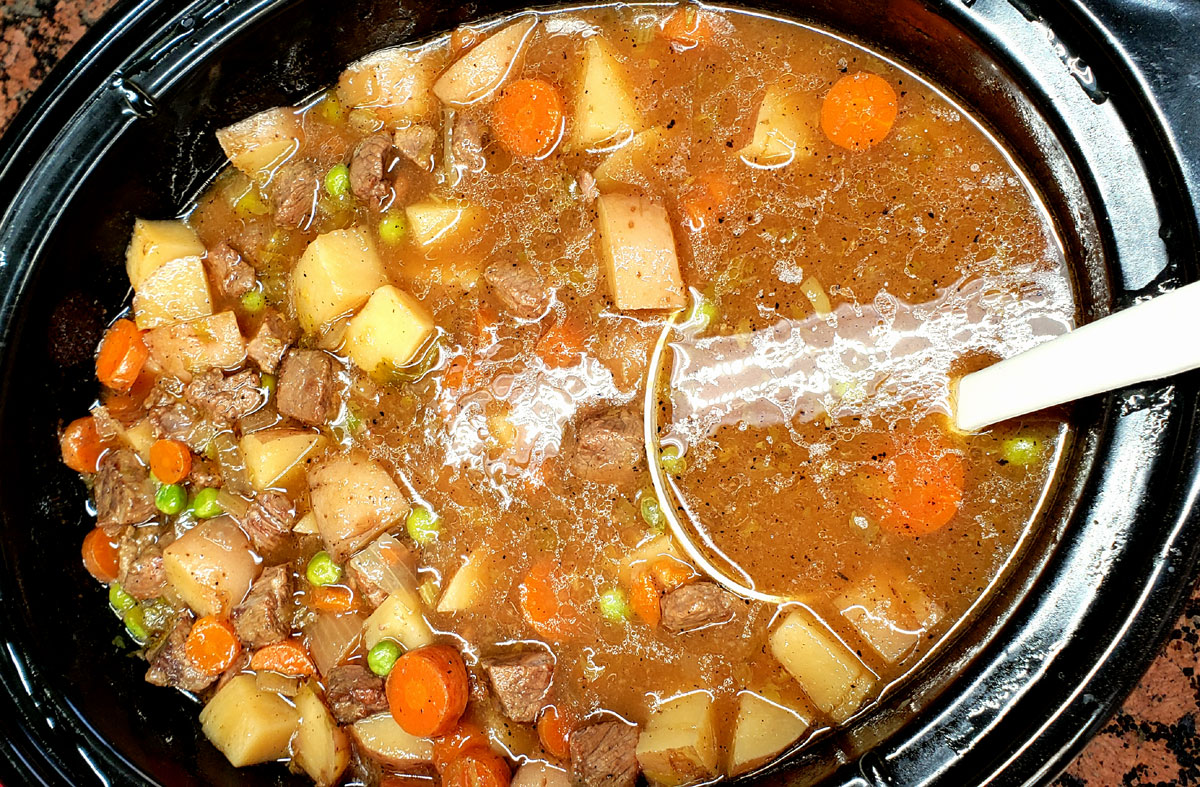
Practice Meal Prepping and Batch Cooking
Even just a little prep work at the beginning of the week can make meals faster, easier, and far less expensive. Breakfasts are especially great for batch cooking, consider waffles, pancakes, or egg muffins that you can freeze and reheat. Homemade granola bars, muffins, and tortillas are great for snacking or lunchboxes.
For dinners, the slow cooker is your best friend. A roast, stew, or soup can simmer all day and be ready the moment everyone walks through the door. It’s a comfort on a cold evening, and one less decision to make at the end of a long day.
Whole Birds
Buying whole chickens or turkeys is often the cheapest way to purchase meat. And if you raise your own poultry like we do, even better! Learn how to part out the bird and freeze individual cuts based on your favorite meals.
We often roast one whole bird, then turn the leftovers into soups or sandwiches and use the bones to make a rich stock or bone broth. Nothing goes to waste, and every bit adds value to your meal plan.
Render Bacon Fat or Beef Tallow
This old-fashioned practice is making a comeback—and for good reason. Rendering fat from bacon or beef gives you a cooking fat that’s shelf-stable, full of flavor, and free from the questionable ingredients or processes found in many seed oils.
Instead of tossing it, save it in a jar (labeled, of course) and use it for frying eggs, roasting vegetables, or greasing a skillet.
Homemade Baby Food
When I started introducing solids to my daughter, I gave those little jars from the store a try. But I couldn’t stomach the smell, let alone feed them to her. So, I kept it simple: foods like plain mashed vegetables, applesauce, and bananas.
Homemade baby food is fresh, affordable, and gives you peace of mind knowing exactly what your little one is eating. If you’re in a season of feeding babies, it’s worth learning how easy this can be.
Dried Foods and Snacks
Drying fruit is a great way to make snacks for later and reduce food waste. I’ve made everything from fruit leather and banana chips to loquat bites and dried roselle calyxes for tea. Jerky is another smart snack option when meat is on sale or homegrown.
Whether freeze-dried or dehydrated, these foods are portable, shelf-stable, and perfect for lunchboxes, hikes, or afternoon munchies.
Organize Your Kitchen
A well-organized kitchen is an efficient way to save time. When tools and ingredients are easy to find, meal prep goes faster and frustration fades away.
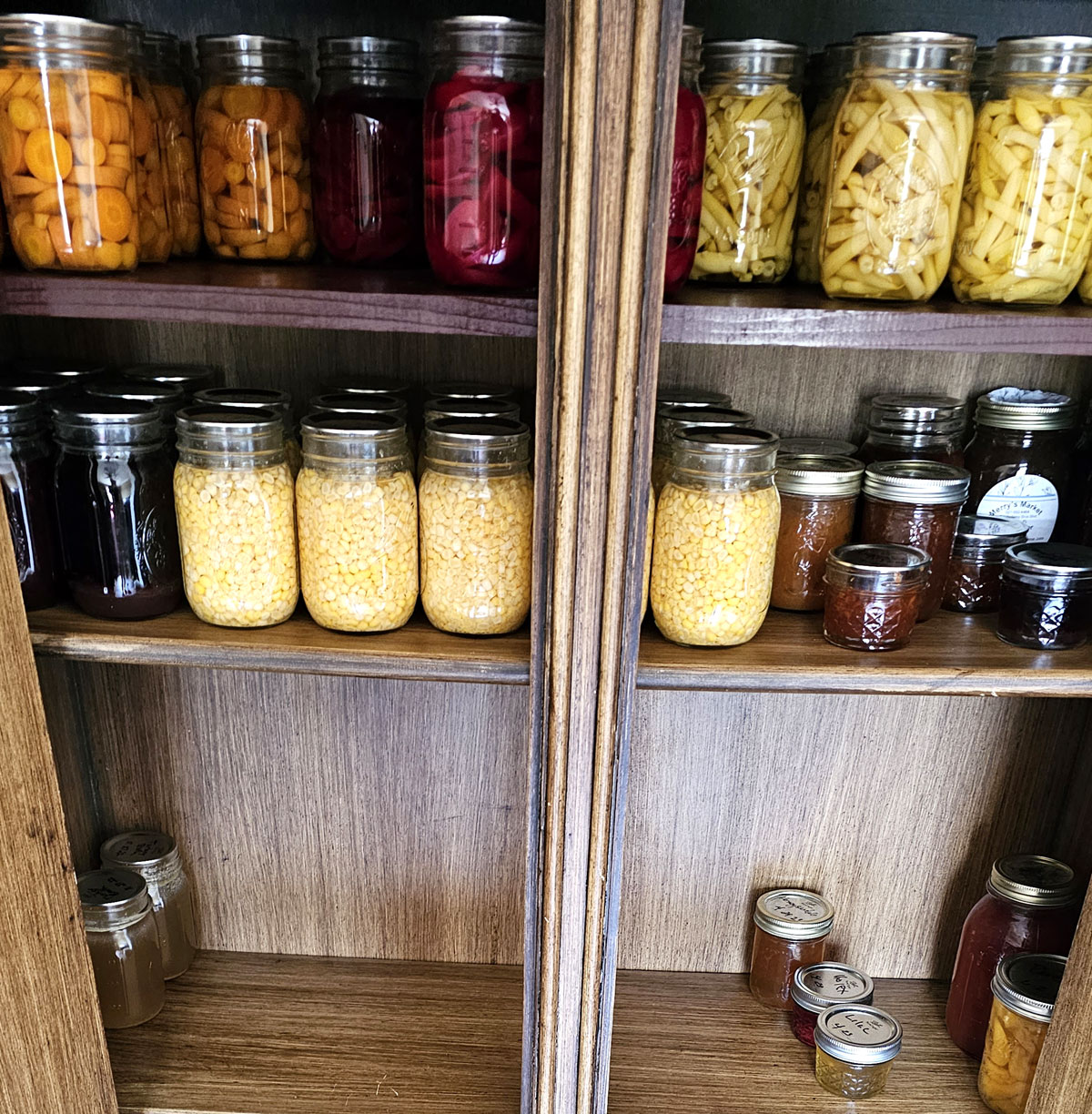
Organize the Pantry
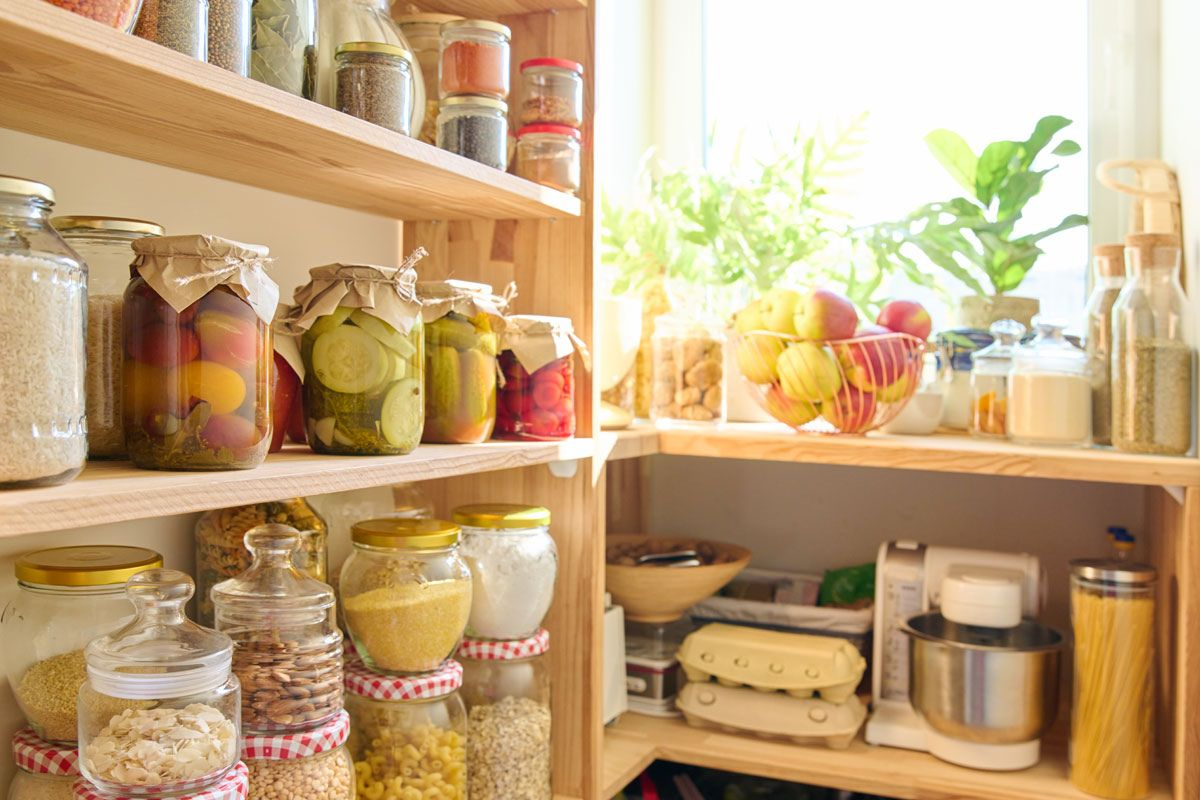
In our home, the “pantry” isn’t just one shelf—it’s four separate places: the dry goods pantry, freezer, refrigerator, and home-canned pantry. Keeping an eye on all these spots helps us shop smarter and reduce waste.
- Home-Canned Pantry: If you’ve preserved your food, this pantry is a goldmine. Home-canned fruits, vegetables, soups, and meats can keep your family fed for months. Be sure to rotate jars and plan meals around what you’ve put up. It’s one of the simplest ways to eat well and save money.
- Dry Goods Pantry: Stock up on basics like grains, pasta, canned goods, and baking supplies. Organize items by expiration date, so nothing gets forgotten. Spices and seasonings often live here, too, even if they have their own cabinet in my kitchen.
- Freezer: Treat your freezer like a pantry, too. We keep extra meats, pre-made meals like soups or casseroles, and frozen produce from our garden harvest. If you buy in bulk or raise animals yourself, this is a lifesaver for long-term storage. I use a marker board to record what goes in and out of it.
- Refrigerator: Think of this as your short-term pantry. It holds condiments, sauces, pickles, jellies, and other perishables that need regular attention. Check it often so nothing gets forgotten. Knowing what needs to be used up can help you plan meals more efficiently and avoid waste.
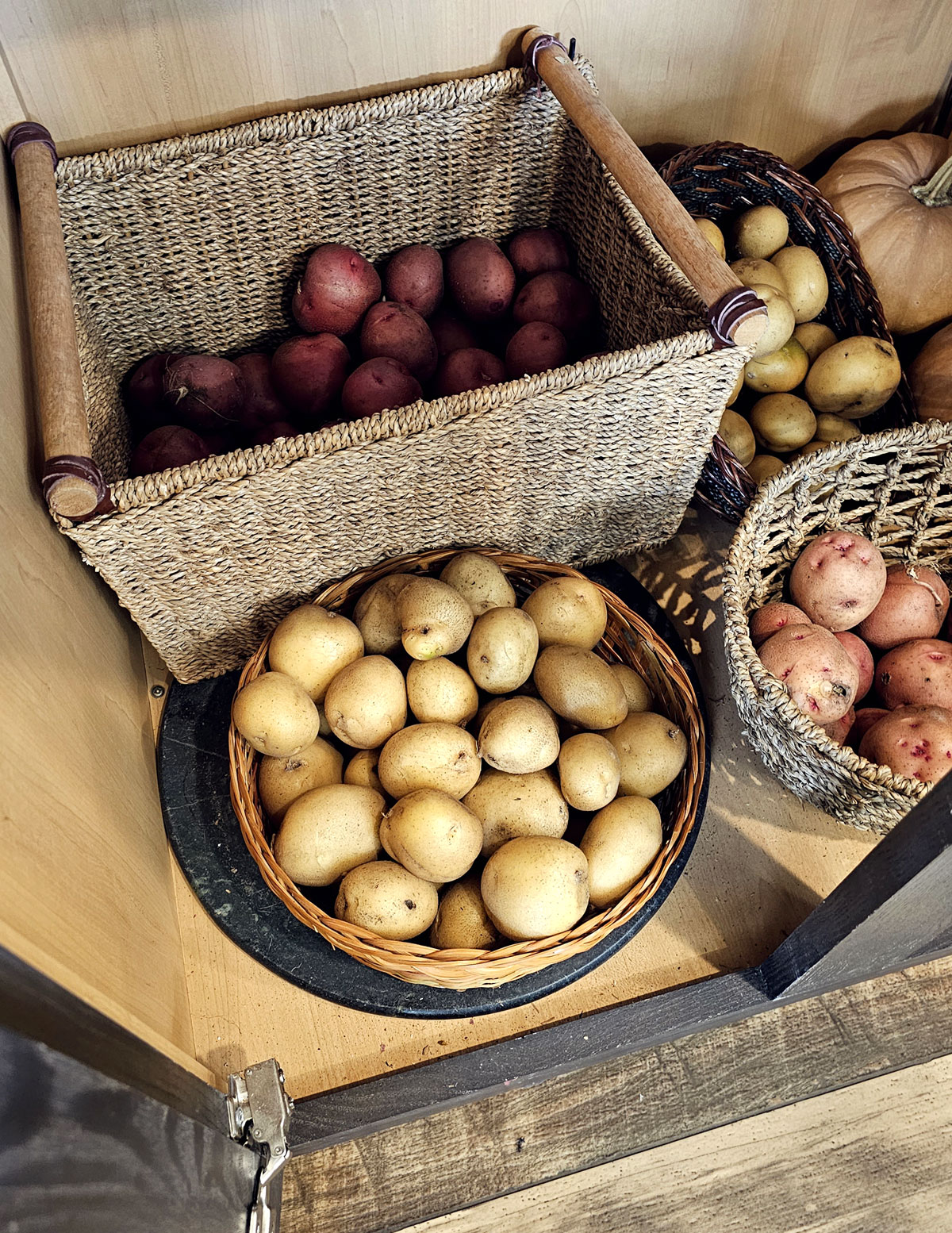
Root Cellar
I was fortunate to grow up with a root cellar—a cool, dark place to store potatoes, onions, squashes, and canned goods. If you have one (or even a cool closet or basement corner), treat it as another pantry and keep it organized. Check often for signs of spoilage, and plan meals around what’s in there before it’s too late.
Organize the Cupboards and Drawers
Just as important as food storage is having your tools in the right place. When your kitchen gear is organized, you spend less time hunting for that mixing bowl or measuring cup and more time cooking.
Simple habits like keeping oven mitts near the stove, grouping baking tools, and storing pots and pans close to the cooking area can make your kitchen feel like a well-oiled machine.
Reduce, Reuse, Recycle
This timeless trio has been a guiding principle in frugal kitchens for generations—and it’s just as important today.
- Reduce Clutter: An annual declutter frees up space and reminds you of what you need to use.
- Reuse Containers: We reuse jars, yogurt cups, and thrifted kitchenware daily to save money and reduce waste.
- Recycle Scraps: Compost what you can. Even small-scale composting adds up to big savings for your garden and the landfill.
- Simplify Cleaners: Homemade cleaners using vinegar and baking soda are cost-effective and safe.
Explore, Experience, and Enjoy!
Being frugal in the kitchen isn’t just about saving money. It’s about discovering new skills, embracing tradition, and making memories along the way.
Here are some ideas to keep your journey fresh and fun:
- Follow me on Pinterest for creative and frugal cooking ideas.
- Watch cooking videos on YouTube to learn new techniques.
- Dive into cooking blogs and find your new favorite recipes.
- Visit your local library to borrow free cookbooks and homesteading guides.
- Take a cooking class in your community or online.
- Learn how to grow and preserve your own food—nothing beats the taste of homegrown.
- Cook with friends or start a cooking club to share skills and stories.
- Get kids involved in 4-H or other programs that teach cooking and gardening.
- Try a new food preservation skill like fermenting or drying.
Remember, whatever you choose to do, the most important ingredient is to enjoy the journey. Each small step brings you closer to a kitchen and homestead rooted in purpose, frugality, and joy.

[…] a frugal way to create delicious beverages at a fraction of the cost.*You can create your own unique flavors […]