Raising chickens is often one of the first dreams people have when they start thinking about homesteading. Fresh eggs, a little more food independence, and the simple pleasure of watching hens scratch around and do what hens do best—it all sounds pretty ideal.
In the spring of 2024, chickens were part of our dream, too. When our neighbor offered us a handful of chicks just days before they hatched, we said yes. It felt like the right next step in our homestead journey.
I had raised chickens before in a more temperate climate, but Florida introduced a new set of lessons. Here, heat, humidity, and the different rhythm of seasons shape daily care in ways I hadn’t experienced.
In this post, I’m sharing what I’ve learned, with honest expectations and a Florida lens, to help you decide if a small backyard laying flock is right for you, and how to start in a way that gives both you and your flock the best chance to thrive.
Before You Get Chickens, Consider This:
- Chickens are often misunderstood as “easy” livestock – daily care and responsibility matter more than most beginners expect
- Whether your space is truly ready for chickens, even on a small homestead or in a neighborhood
- How Florida’s heat and humidity shape every decision from coop design to daily care
- Which chickens can realistically thrive in Florida’s climate
- How coop, run, and predator protection factor into long-term success
- What chickens will require from you each day, especially during the toughest seasons
- The real costs and learning curve that come with keeping chickens
- Whether now is the right time to bring chickens home
- Final Thoughts
- Resources
Chickens are Easy, but Not Effortless
Chickens are often considered a natural first step to keeping livestock on a homestead. A small backyard flock feels manageable and can be woven into everyday routines.
In many ways, their care is simple: regular feeding, fresh water, and a watchful eye. They don’t need elaborate systems or constant supervision.
But they do depend on you—every single day.
Each morning, I give my hens food and water, and in the evenings, I gather their eggs. I also spend time with them, not just for enjoyment, but to observe how they move, eat, and interact.
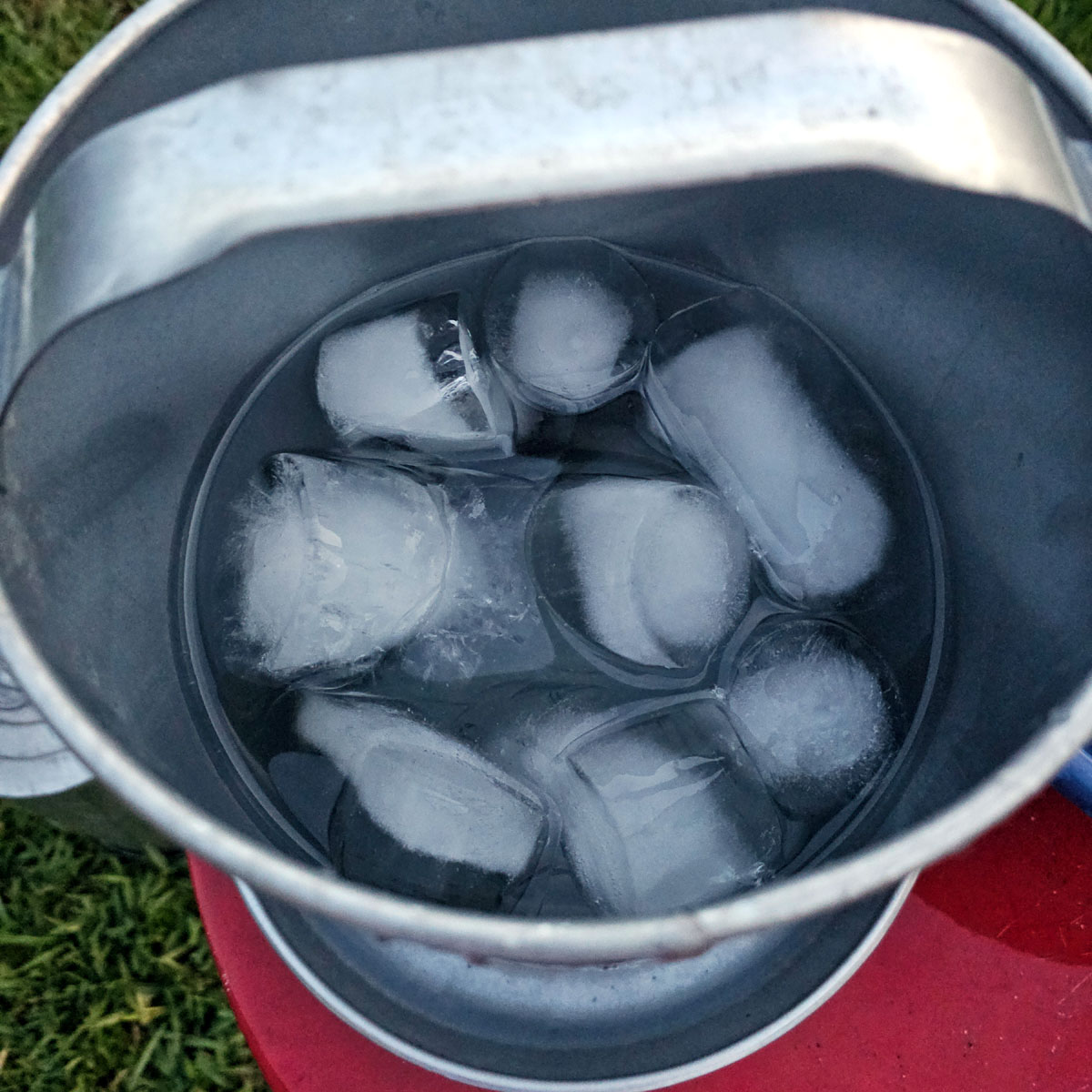
Here in Florida, that daily responsibility increases during the warmer months. Heat management becomes part of everyday care. Adding ice to waterers can make a noticeable difference in how a flock handles the heat. These small efforts help chickens stay comfortable and healthy when temperatures climb.
Chickens are forgiving animals in many ways, but they thrive best when their care is consistent. They ask for presence more than perfection, which is worth considering before you begin.
Is Your Space Ready for Chickens?
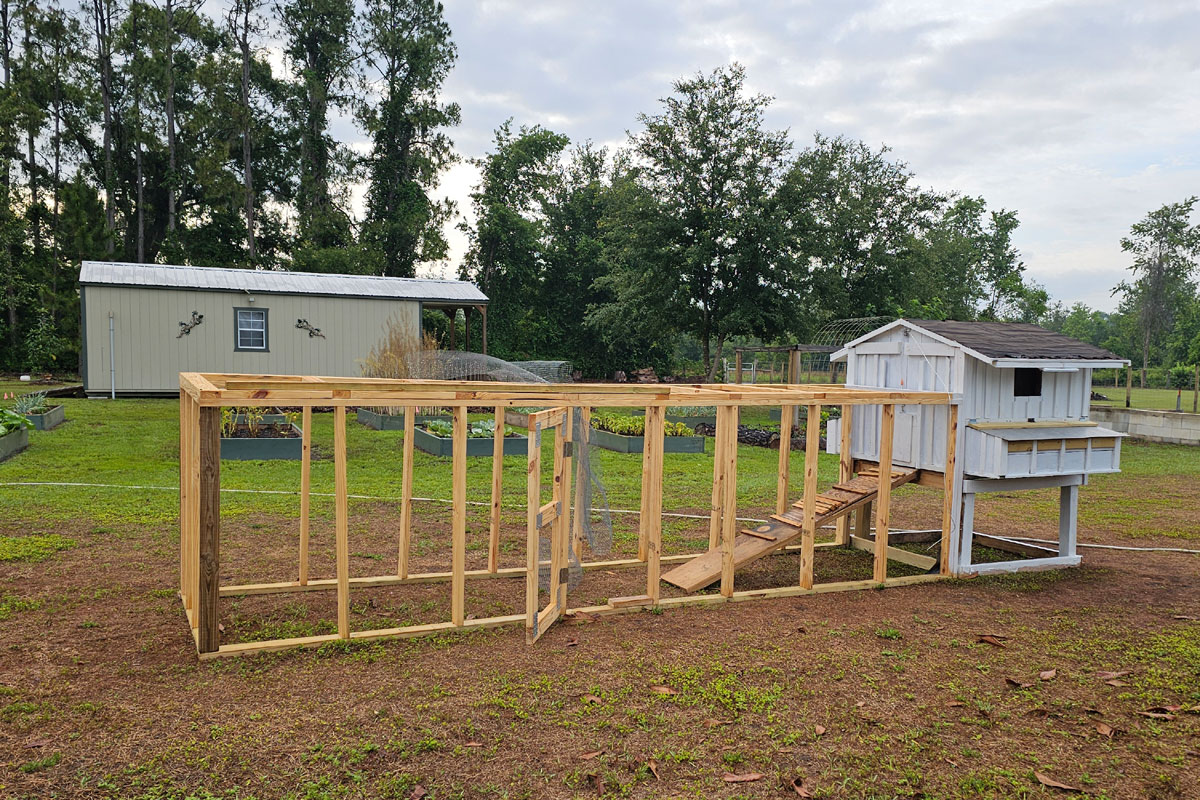
Before choosing breeds or buying feed, honestly assess your space. Whether free-ranged or kept in a coop and run, all flocks need a safe, secure place to call home.
When we were planning the layout of our homestead, we spent time simply observing our land. We watched how the sun moved, where water flowed and settled after heavy rains, and thought about how close daily chores would be to the house. We also talked through where a permanent home for our flock would make the most sense.
As we planned, we considered things like:
- Having enough room for both a coop and a run
- Creating a setup that allowed good airflow while offering protection from the sun and storms
- Keeping the flock close enough to the house and feed storage to make daily care efficient
If you live close to neighbors, noise and visibility matter more than many people expect. Even without a rooster, chickens are livestock—and livestock changes how a space feels. For us, that wasn’t a concern. Several of our neighbors already keep flocks, and hearing roosters in the distance has become part of the rhythm of our rural life.
Chickens are also messy birds. They kick up dust during daily dust baths, and feathers tend to float around during molting season. We chose a spot that keeps them close enough to care for easily, but far enough from the house to keep dust and debris where it belongs.
Florida’s Heat and Humidity Change Everything
If there’s one thing I wish every beginner understood, it’s this:
Heat is harder on chickens than cold, especially here in Florida.
Our summers bring prolonged heat, high humidity, sudden heavy rain, and very little overnight relief. These conditions can quickly stress chickens that don’t have proper ventilation, shade, and constant access to cool water. Planning for heat stress before it happens is one of the most important things you can do for a Florida flock.
While more northern states put extra effort into protecting chickens from cold winters, here in the South, our attention shifts in the other direction. Keeping chickens cool in the heat and humidity becomes a daily consideration. I like to give our flock frozen treats like watermelon and add ice blocks to the waterer daily during the hottest parts of the year.
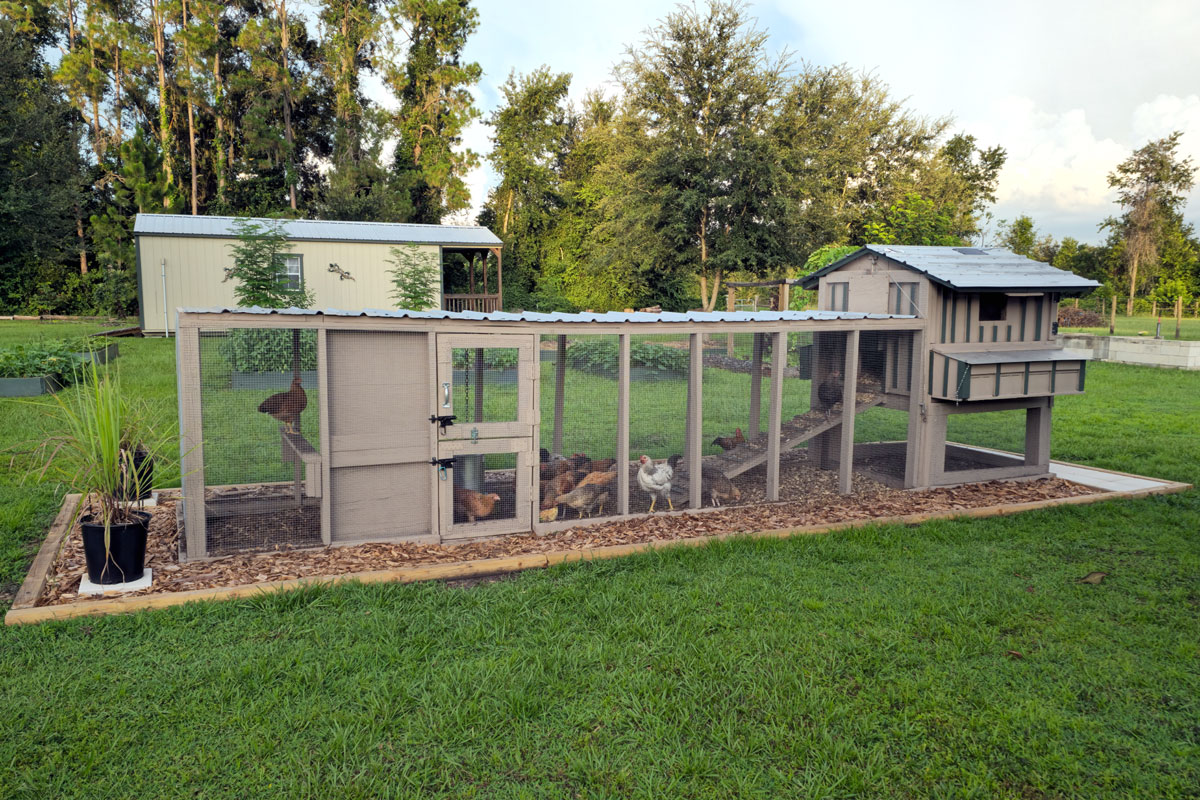
Shade is essential. We built a covered run to protect our hens not only from the sun, but also from the heavy downpours that come with our rainy season. The coop itself sits on the eastern side of a large tree, which helps block the harsh afternoon sun. We also installed a solar fan to pull warm air out of the coop and improve airflow.
Florida’s mild winters are a gift, but they don’t eliminate the need for thoughtful shelter. Wet, windy cold snaps still happen, and chickens need a dry, protected place to roost through them.
Living with this climate has taught me that nearly every decision—from coop placement to daily routines—is shaped by heat, humidity, and rain. When you plan with those realities in mind, chickens are far better equipped to handle Florida’s extremes.
And once you understand how much climate shapes daily care, the next step is choosing chickens that can truly thrive here.
Choosing the Right Chickens for Florida
Not all chickens are suited for hot, humid climates—no matter how popular they may be online. When you live in Florida, breed choice matters, especially when it comes to how birds handle prolonged heat, humidity, and seasonal stress.
When choosing chickens for a Florida backyard flock, I looked for heat tolerance first, the breeds that could handle our hot, steamy summers. Overall, hardiness mattered more than high egg production. And I kept my expectations realistic about seasonal changes in laying.
Before we brought chickens home, my husband and I spent time reading about different breeds and learning from others how they cared for their flock. And even though we ended up getting locally adapted mixed breeds, all that research prepped us for raising chickens in our climate.
Because breed suitability is such an important and sometimes overwhelming topic for beginners, I recommend spending time with research-based and Florida-specific resources before making a decision.
I’ve included a few reputable Florida-focused resources at the end of this post if you’d like to read more about breed selection.
Coop, Run, and Predator Protection
Florida predators are persistent, clever, and patient.
Raccoons, snakes, hawks, and other predators will test your setup—often sooner than you expect. A solid coop and a well-built run aren’t optional; they’re foundational. This is one area where cutting corners often leads to regret.
When we built our coop and run, nearly every decision was shaped by Florida’s climate and predator pressure. Because we had just brought chicks home, we were working on a tighter timeline than ideal—a good reminder that planning ahead makes everything easier. We eventually found a used coop in good condition through a local marketplace. It was a long drive, but well worth it.
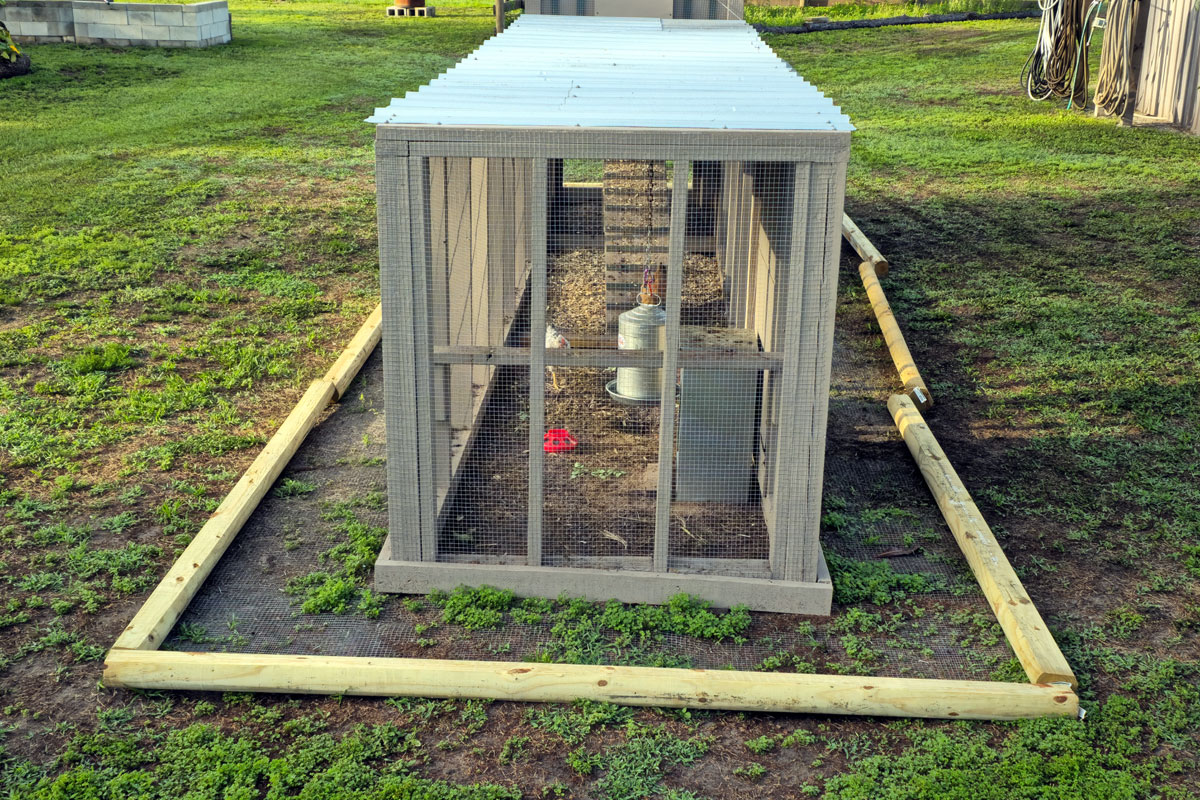
For the run, we chose hardware cloth instead of chicken wire. Chicken wire is meant to contain chickens, not keep predators out. We added a two-foot apron around the perimeter to deter digging predators and covered it with wood chips. A metal roof over both the coop and run protects them from heavy rain and adds much-needed shade. We installed a solar fan to move hot air out of the coop—essential during long, steamy summers.
Good airflow, proper materials, and thoughtful placement make daily care easier and help keep a flock calm and secure. We made sure to design our setup with a little bit of flexibility, knowing that flocks and plans have a way of growing over time.
It’s not a “chicken palace,” but more of a “chicken fortress.” And while predators are common here, we feel confident our flock is safe.
A secure setup creates the foundation—but daily care is what keeps a flock healthy over time.
Daily Care and Seasonal Responsibilities
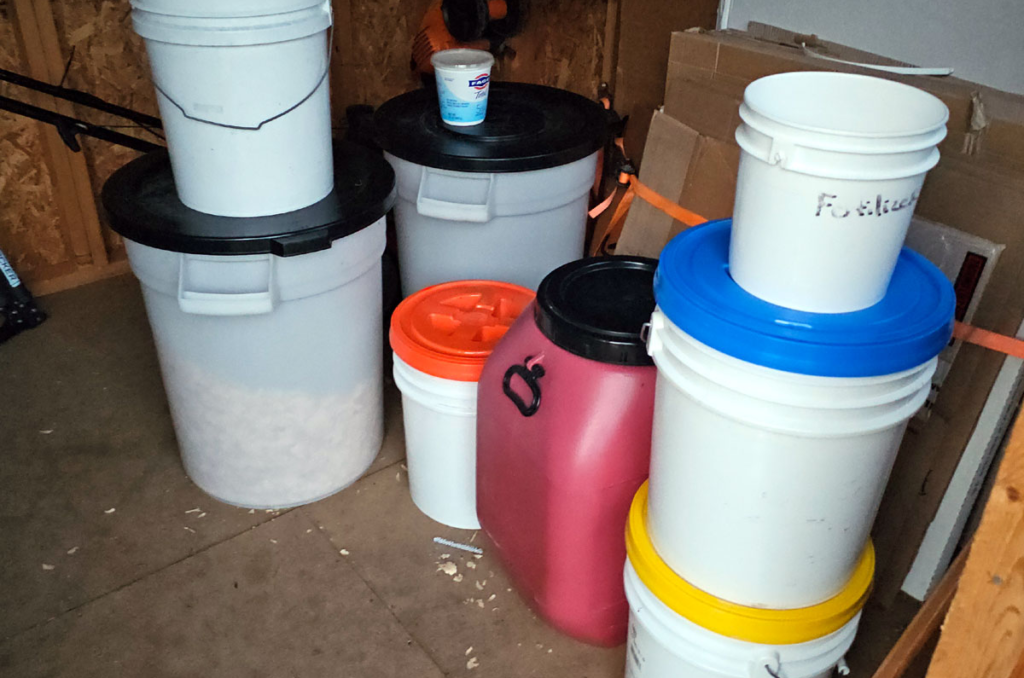
Daily chicken care isn’t complicated, but it is consistent. Chickens rely on routine, and they do best when someone shows up for them every day—no matter the weather, the season, or how busy life feels.
On an average day, I give them fresh feed and clean water, do a quick health check, and gather eggs. Some days are simple. Others require more attention, like coop-cleaning days or special prep for tropical storms.
Chickens are remarkably resilient animals, but that resilience depends on consistency. I’ve found that when their basic needs are met day after day, they’re better equipped to handle the challenges that come with weather, predators, and the natural ups and downs of laying.
The Real Costs and the Learning Curve
Chickens are often thought of as a way to get “free eggs,” but there’s more to consider than many beginners expect.
I still remember our first shopping trip for supplies. We spent a long while in the farm store aisle, thinking through each decision.
- A large metal waterer, because the Florida sun is hard on plastic.
- A tall metal feed hopper, big enough to hold a few days’ worth of feed in case we were away.
- Bedding for the coop and nest boxes. We like pine shavings for the coop, and hay for the nest boxes.
- An egg-gathering basket that was practical, but still a little charming.
We also paused at the shelves of basic medicines and care supplies, picking up a few items for emergencies, just in case.
Beyond equipment, there’s the ongoing costs of good feed, along with grit and calcium. We compared brands and sources before settling into a routine that worked for us.
Startup costs, ongoing feed, bedding, repairs, and the occasional surprise all add up. And then there’s the learning curve, something no amount of reading can fully replace. You learn by doing, adjusting, and sometimes making mistakes along the way.
Is Now the Right Time to Get Chickens?
We waited nearly three years before adding chickens to our homestead. When our neighbor offered us chicks that spring, we moved forward a few months earlier than planned. By then, we’d already done the research and talked through what chickens would require. That preparation made all the difference.
Before bringing chickens home, it’s worth pausing to ask a few honest questions:
- Do I have the time to care for them every day?
- Can I manage them during Florida’s hottest months?
- Am I willing to learn as I go and adjust when needed?
Sometimes, the best decision is to wait a season. Chickens will still be there when you’re ready. Taking time to plan—for your schedule, your space, and your climate—helps ensure that raising chickens becomes a positive experience, not a stressful one.
Starting at the right time, with realistic expectations, sets both you and your flock up for long-term success.
A Final Thought for Florida Beginners
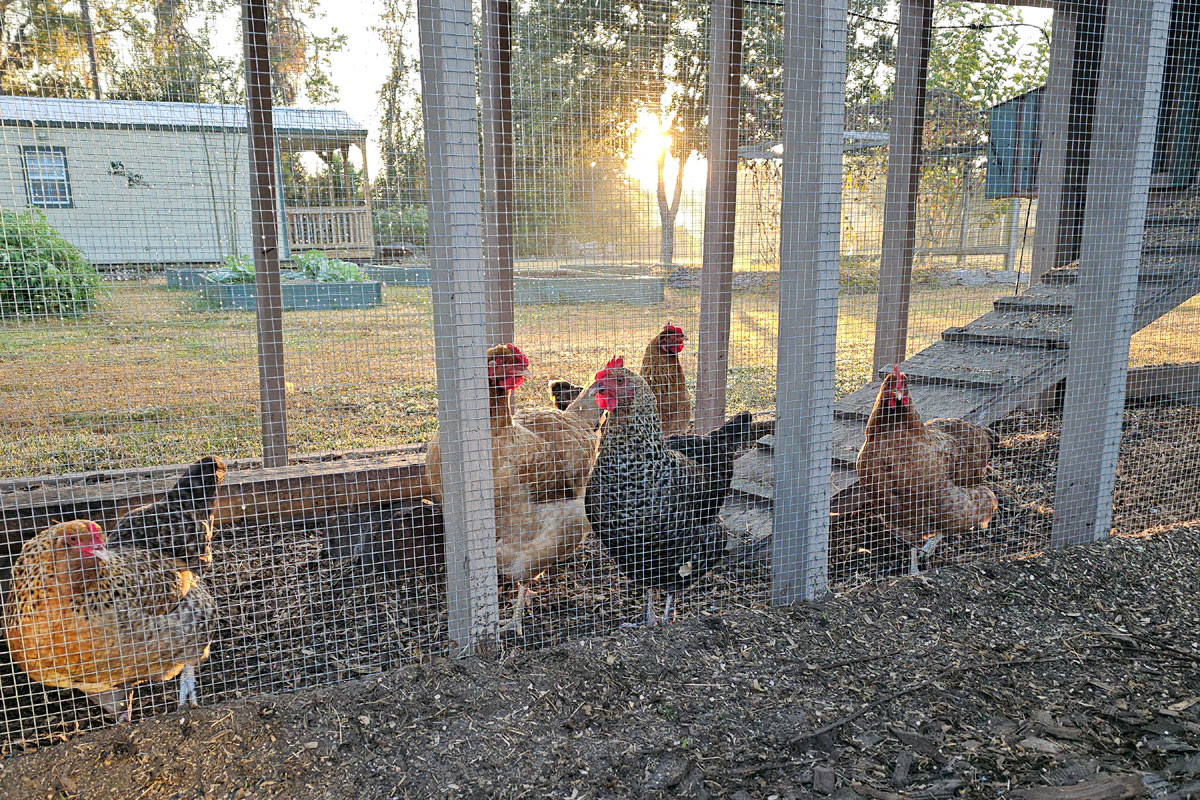
Raising chickens has been a delight and a welcome addition to our homestead. It filled a gap I hadn’t fully named – maybe it’s nostalgia, or maybe it’s simply that chickens fit naturally into the rhythm of daily life, alongside feeding the cats or making supper from scratch.
But adding chickens has also reinforced just how much thought goes into even the simplest parts of homesteading. From choosing the right space and building a secure coop to planning for Florida’s heat and humidity, and understanding the daily care and real costs involved, raising chickens works best when approached as a system rather than a single project.
Because we planned ahead and built with intention, our laying hens are thriving. We have eggs to enjoy and share, routines that feel manageable, and a setup that supports both the birds and our lives. Just as importantly, we’ve learned to adjust as we go, because no plan stays perfect once real life sets in.
Raising chickens has deepened my respect for daily rhythms, preparedness, and patience. It’s reminded me that homesteading isn’t about doing everything at once. It’s about building systems that work for you.
If you decide to add chickens, start with a smaller number than you think you need. Leave room to grow. Plans (and flocks) tend to grow over time.
RESOURCES
These resources can help you think through breed choices with Florida’s realities in mind, whether you’re starting with chicks, pullets, or an established flock.
- University of Florida IFAS Extension — Offers research-backed guidance on poultry care and climate considerations for backyard flocks.
- Charlie’s Chicks — A Florida-based poultry farm with experience raising birds suited to local conditions, along with practical guidance for beginners sourcing chickens locally.
- Top Chicken Breeds for Florida – A Florida farm with decades of chicken-raising experience. Plenty of full-color photos of the best breeds to raise in Florida.
Leave a Reply