A Beginner’s Guide to Composting
Updated Edition: Originally shared on April 26, 2021, now refreshed with what I’ve learned since then, including tips for Florida gardeners and sandy soils.
If you’re brand new to composting, you’re in the right place. Composting can sound complicated at first, but at its heart, it’s simply learning to work with one of the earth’s natural processes.
When I first started gardening in Florida, I didn’t start with rich soil. All I had was a sandy flower bed along the back fence of our suburban home. I knew compost would be key to building healthy soil for a vegetable garden.
At the time, I amended that bed with purchased compost, and it helped. But I also knew it wasn’t a long-term or frugal solution. Florida sand needs steady organic matter, and buying bags of compost season after season just didn’t make sense for the kind of garden I was building.
So, I started composting.
It wasn’t fancy or complicated. I used a simple compost pile method, building it with the resources we had on hand. Over time, that compost became the foundation for healthier soil and stronger plants, and it gradually improved the production of my garden.
In this post, I’m going to walk you through the basics of composting: what it is, what goes into it, and what I’ve learned along the way. Let’s dig in!
What You’ll Learn Here
In this article, you’ll learn:
- What compost is and why gardeners use it
- The basic ingredients every compost needs
- How to use compost to improve your soil
- Why composting is especially important in Florida
- Common composting methods
- How to start composting where you are
- A list of resources to dig deeper
What Is Compost, Really?
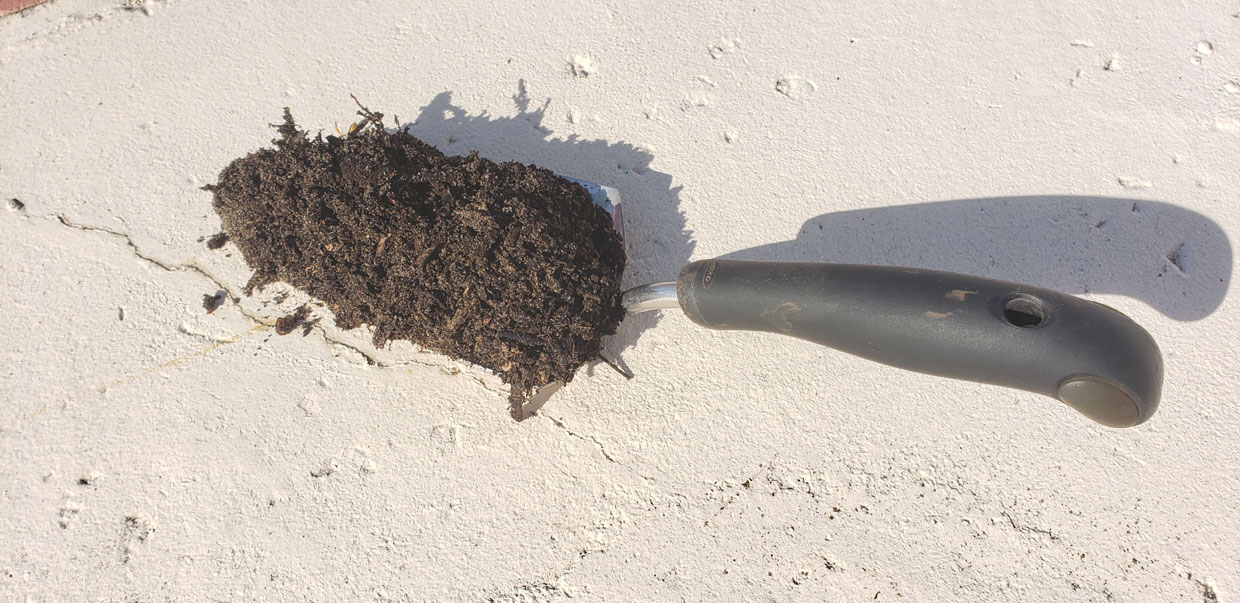
Compost is organic material that has broken down into a rich, dark soil amendment full of nutrients that plants love. Things like kitchen scraps, leaves, grass clippings, and other natural materials slowly decompose and turn into what gardeners often call black gold.
And that nickname isn’t an exaggeration. Finished compost enhances soil structure, nourishes plants, and fosters long-term soil health. It truly enriches the soil, and as some would say, “is worth its weight in gold.”
For a home gardener, composting is about closing the loop, turning what would normally be waste into nourishment for the next season.
What is Compost Made Of?
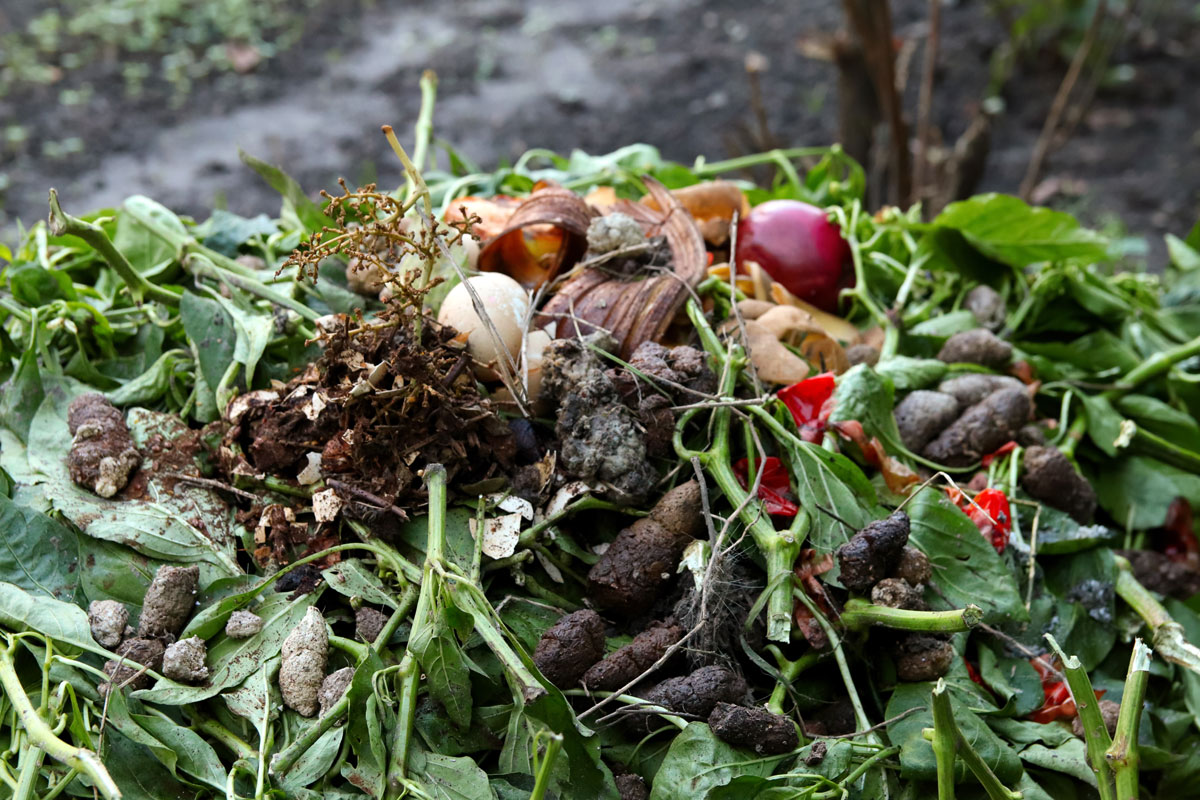
Whichever way you choose to compost (we’ll talk about methods later), all compost needs the same basic ingredients:
- Carbon
- Nitrogen
- Oxygen
- Water
- Microorganisms
Bacteria, fungi, insects, and worms do the real work here. Our job is to give them the right environment so they can naturally build the humus our gardens need.
There’s no need to memorize ratios or rules here. Once you understand the basics, composting becomes second-nature.
Let’s take a closer look at what goes into compost and how to choose the right materials.
Greens and Browns: The Building Blocks
When people talk about composting, they often mention greens and browns. This isn’t about color, but about what each material contributes.
Greens are materials high in nitrogen. They help heat up the compost and feed microorganisms as they decompose. Greens are usually fresh or moist.
Common greens include:
- Fruit and vegetable scraps
- Fresh grass clippings (untreated)
- Coffee grounds and tea bags
- Healthy plant trimmings
- Manure from herbivore animals like rabbits, cows, sheep, or chickens
Browns are materials high in carbon. They provide structure, absorb moisture, and keep the compost from becoming compact or smelly. Browns are usually dry.
Common browns include:
- Dry leaves
- Pine needles
- Straw or hay
- Small branches or wood chips
- Shredded paper, cardboard, paper plates, and coffee filters (no tape or wax)
If there’s one thing to remember, it’s this: compost doesn’t need to be exact to work. A mix of greens and browns added over time will usually balance itself out.
Air, Water, and Heat
Compost needs air and moisture to break down properly. Oxygen allows microorganisms to do their work, which is why turning the compost occasionally can help. You don’t need to fuss over it, just mix things up now and then to keep the air moving through it.
Moisture is important, too. Compost should feel like a wrung-out sponge: damp, but not dripping wet. Too dry and the process slows down; too wet and it starts to smell.
Heat is a natural result of decomposition. As microorganisms break down organic matter, they create warmth, and sometimes it can feel surprisingly hot. This warmth helps materials break down faster.
You don’t need to heat your compost on purpose. Keeping a good mix of greens and browns, maintaining light moisture, and turning the compost occasionally are enough. When microorganisms are comfortable, the heat follows.
This is called aerobic composting, which simply means the pile has air. When compost has oxygen, it breaks down cleanly and smells earthy. Without enough air, compost becomes anaerobic, slowing the process and often creating unpleasant odors. A little airflow and the right moisture keep everything moving the way nature intended.
Microorganisms: The Real Workforce
Microorganisms are what turn scraps and yard waste into finished compost. Bacteria and fungi break down materials at a microscopic level, while insects and worms help by shredding and mixing everything together.
You don’t need to add anything special to invite them in – they’re already present in your soil, kitchen scraps, and yard debris. When you provide food, moisture, and air, they show up and get to work.
Healthy compost is really just a healthy ecosystem.
Pulling it All Together
Composting works because nature already knows what to do. When you provide a mix of greens and browns, a little air, and a bit of moisture, the process takes care of itself.
Now that you understand what compost is made of, it’s time to talk about where it’s headed – the challenging soil of your garden.
Using Compost to Improve Garden Soil
Regardless of where you garden or the type of garden you have, compost helps solve some of the most common soil problems. It doesn’t replace your soil, but works with it, gradually improving it over time.
Healthy soil isn’t about having the perfect dirt. It’s about structure, moisture, and life in the soil. Compost supports all of these.
Let’s look at how compost can improve different types of soil.
Heavy or Compacted Soils
If your soil is heavy, hard, or full of clay, compost can loosen it up. When I was growing up, my family gardened in heavy clay. I saw how my parents used tilling for aeration and mixed in composted animal manure from a family member’s farm. It was just a little bit added every year, and it fluffed up that clay and provided a healthy home for my mom’s garden plants.
I’ve seen firsthand how compost can improve heavy soil, allowing air and water to move more freely through the soil. Research backs this up as well. The U.S. Environmental Protection Agency notes that adding compost increases soil organic matter, improves soil structure, and helps reduce heavy soils.
Sandy or Fast-Draining Soils
Sandy soil drains quickly, which can leave plants struggling to get enough water and nutrients. Compost helps by increasing the soil’s ability to hold moisture while still draining well.
In sandy soils, compost acts like a sponge. It holds onto water and nutrients long enough for plant roots to use them instead of letting everything wash away. Over time, repeated additions of compost help build a richer, more stable growing environment.
How to Add Compost to the Garden
There’s no single right way to use compost. The best method is the one that fits your garden and your energy level.
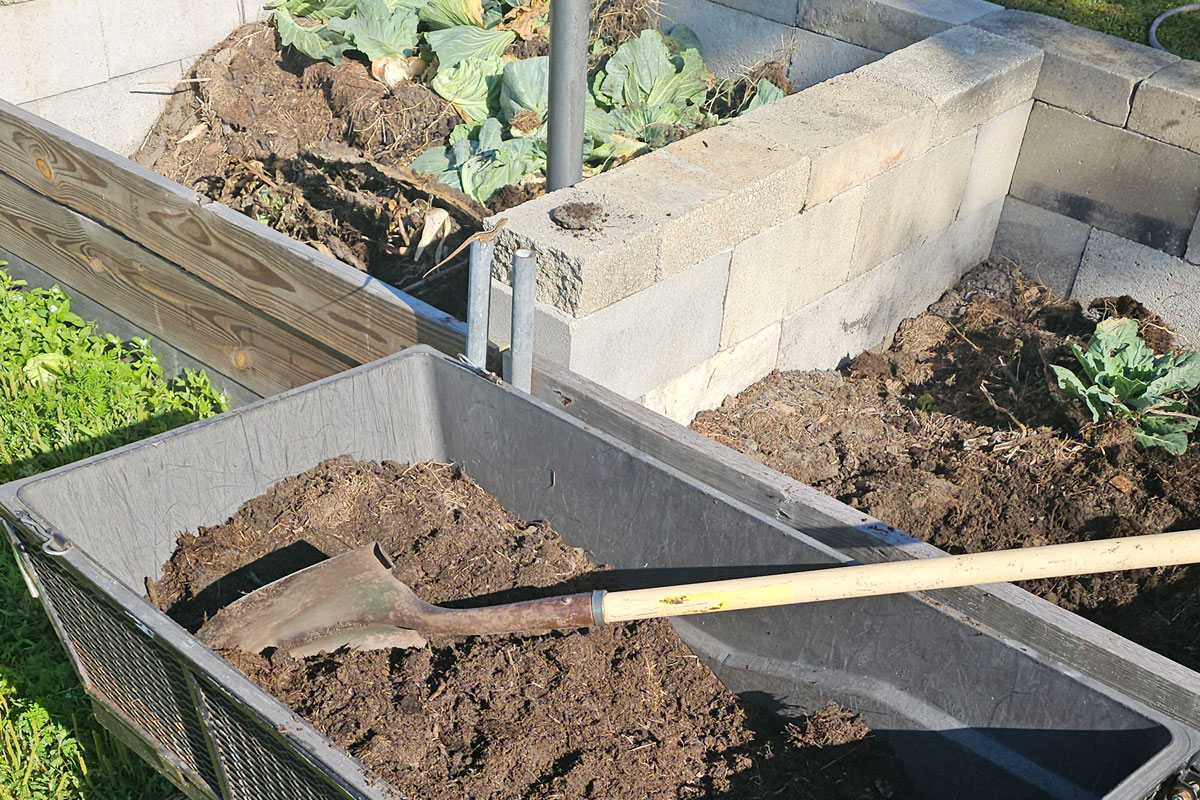
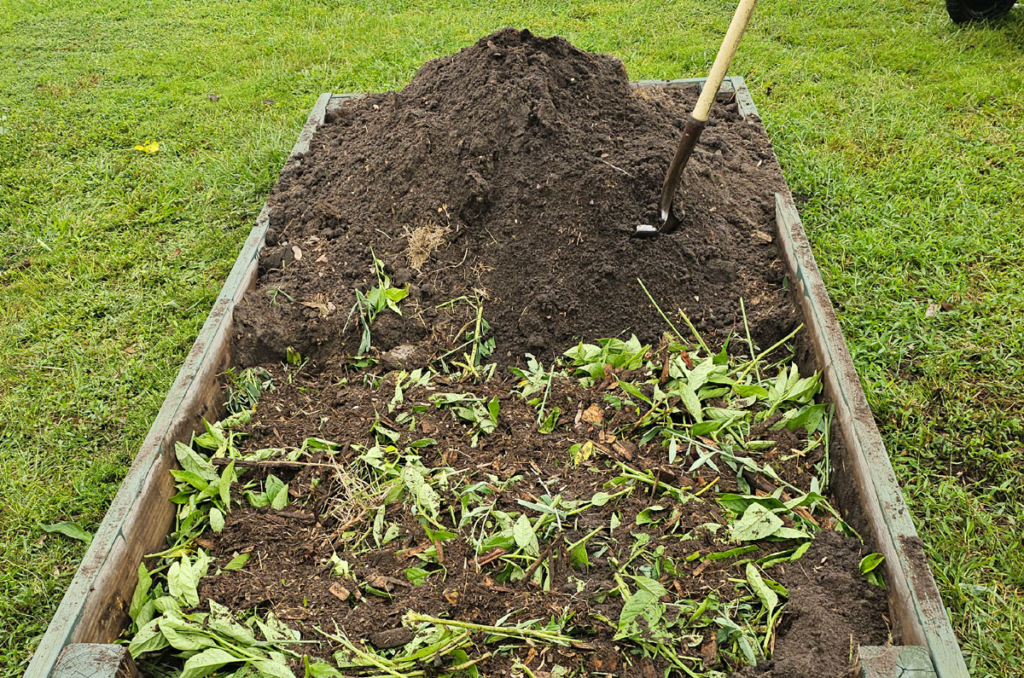
You can mix compost into the top few inches of soil before planting, or simply spread it on the surface as a mulch or top-dressing. Nature will take it from there. Worms, insects, and rainfall help move nutrients down into the soil without much effort from you.
Compost works best when it’s added regularly, even in small amounts. Think of it as feeding your soil, not fixing it.
A Note for Florida Gardeners
Much of Florida has sandy soil that struggles to hold nutrients, especially during heavy rains. In these conditions, compost isn’t a one-time amendment—it’s part of the gardening rhythm.
When I first started gardening in Florida, keeping my soil healthy was one of my biggest challenges. I could add compost and amendments, plant carefully, and still watch nutrients disappear after a few good downpours. Over time, I learned—through trial and error, advice from other Florida gardeners, and guidance from UF | IFAS Extension—that building soil here isn’t about quick fixes.
What finally made the difference was consistency. Small, regular additions of compost helped rebuild organic matter in my soil, giving it a better chance to hold moisture and nutrients instead of letting them wash away. Each season, the soil improved a little more. Plants grew stronger. Water and nutrients stayed where they were needed. Eventually, the garden became easier to manage.
Florida gardening asks for patience, but it rewards steady effort. Compost won’t change sandy soil overnight, but over time, it turns challenging ground into something far more forgiving.
Once you understand what compost does for the soil, the next question is usually how to compost. Composting has always been a practical and adaptable practice. Consider the following different methods that will meet the space, time, and tools you have available.
Common Composting Methods
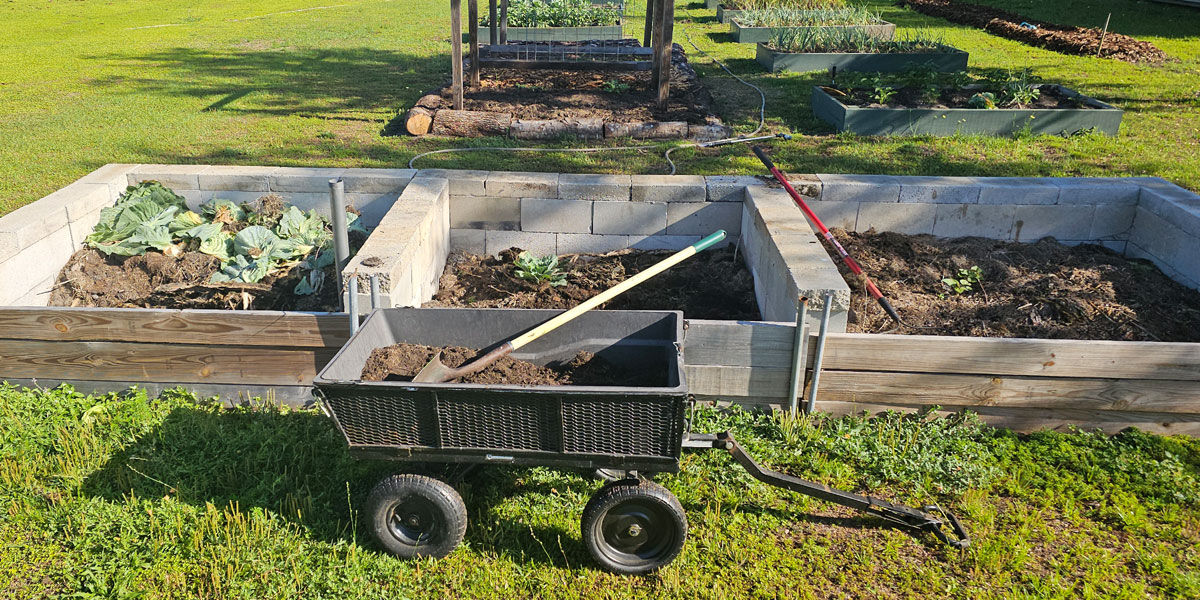
You don’t need a complicated setup to compost successfully. Gardeners have been improving their soil for generations using simple methods like these:
- Backyard compost pile. A designated spot where kitchen scraps and yard waste are layered and allowed to break down over time.
- Compost bin. Enclosed system that keeps materials contained and works well in smaller or more visible spaces.
- Trench or in-ground composting. Scraps are buried directly in the garden, feeding the soil where plants will grow.
- Small-scale composting. Options like worm bins or compact systems for those with limited outdoor space.
Each method works. The difference comes down to what fits your lifestyle and garden best.
Composting doesn’t need to be perfect to be effective. What matters most is choosing a method you’ll be comfortable with so that composting becomes part of your regular gardening rhythm.
Start Composting Where You’re At
Composting doesn’t have to be complicated to be effective. At its heart, it’s simply a way of returning organic matter to the soil and letting nature do the work it’s always done.
Whether your garden soil is heavy and compacted or sandy and quick to drain, compost helps create a healthier foundation over time. Added regularly, it improves structure, supports beneficial life in the soil, and makes it easier for plants to grow strong and resilient.
There are many ways to compost, and no single “right” method. The best approach is the one that fits your space, your season of life, and your garden goals. Start small, stay consistent, and let compost become part of your gardening rhythm.
In future posts, I’ll share more about specific composting methods and how to choose what works best for you. Happy composting!
Resources
- Composting for a New Generation by Michelle Balz – a great beginner’s composting guide.
- New Vegetable Gardener – Compost and Composting – A UF-IFAS blog post about composting in a Florida-Friendly landscape.
- EPA recommendations for composting at home.
- Organic Gardener’s Composting by Steve Solomon. A highly detailed book on the composting process.
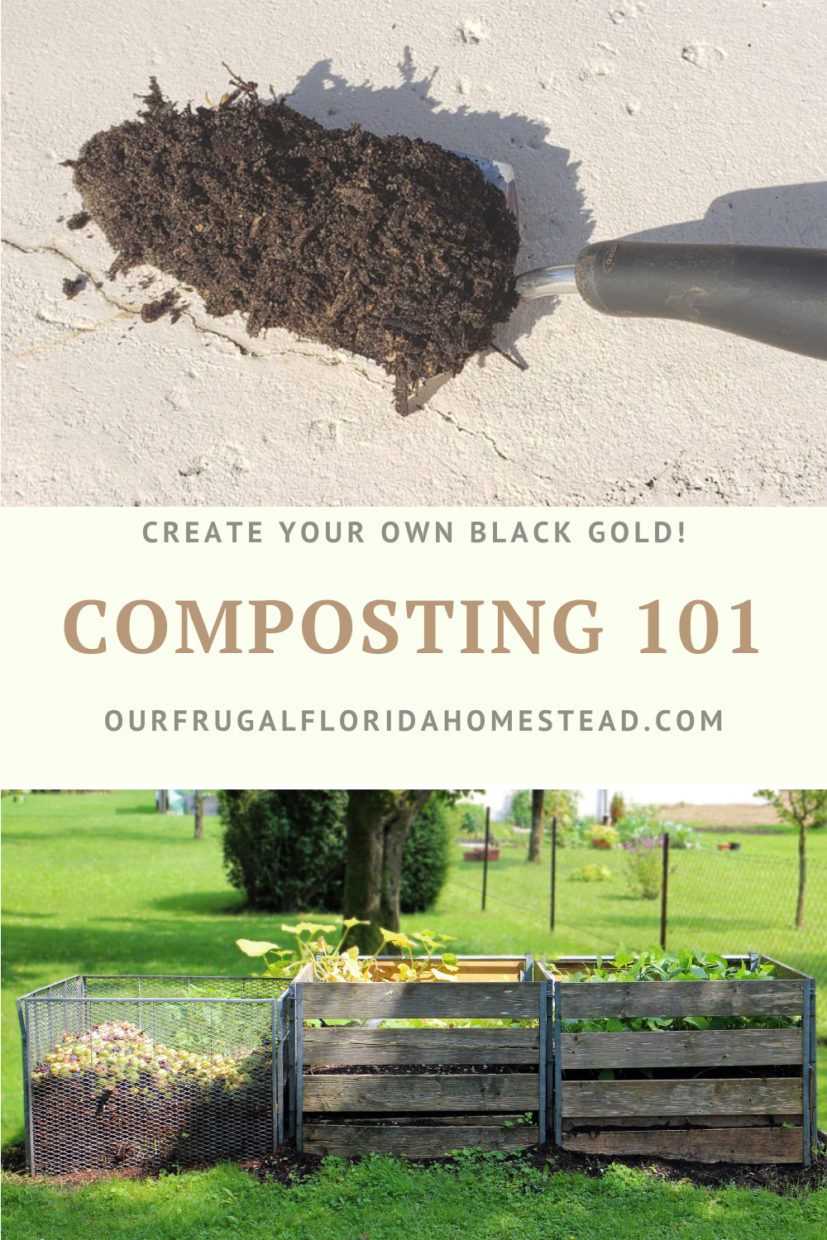
[…] Composting is easy to do and is practiced by many, if not most, homesteaders. This simple act of taking biological waste such as food scraps, yard waste, and paper and turning it into a nutrient-rich fertilizer for the soil has many benefits including: […]